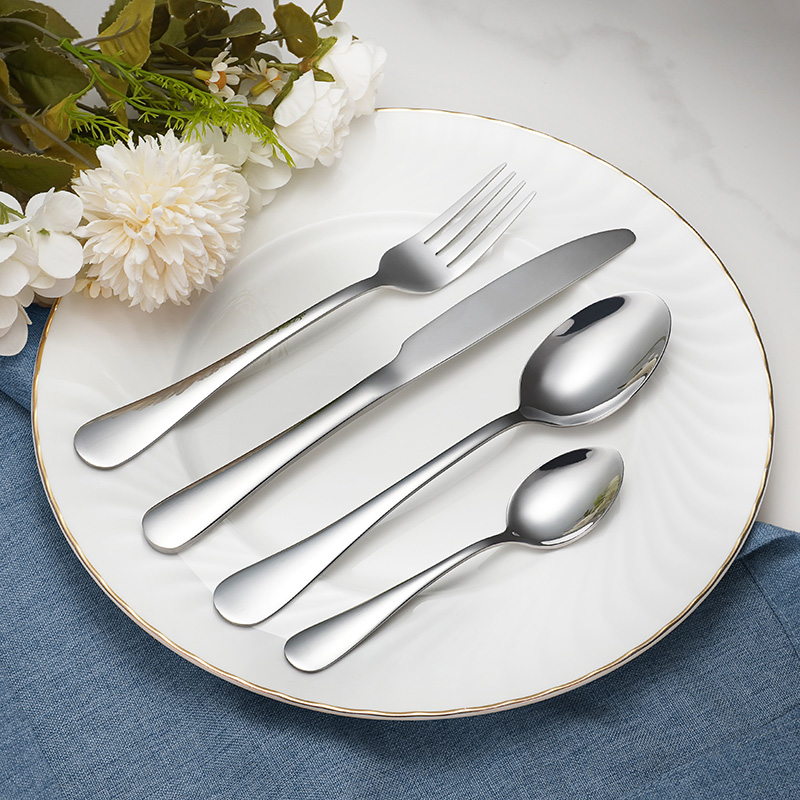
When sourcing forks, spoons and knives, you may come across two commonly used terms: flatware and silverware. In everyday conversation, they are sometimes used interchangeably. However, they do not always mean the same thing, especially when discussing materials and product specifications.
For buyers, distributors and brands in the tableware industry, understanding the difference can help avoid confusion when selecting products, preparing catalogs or communicating with manufacturers.
1. What Is Flatware?
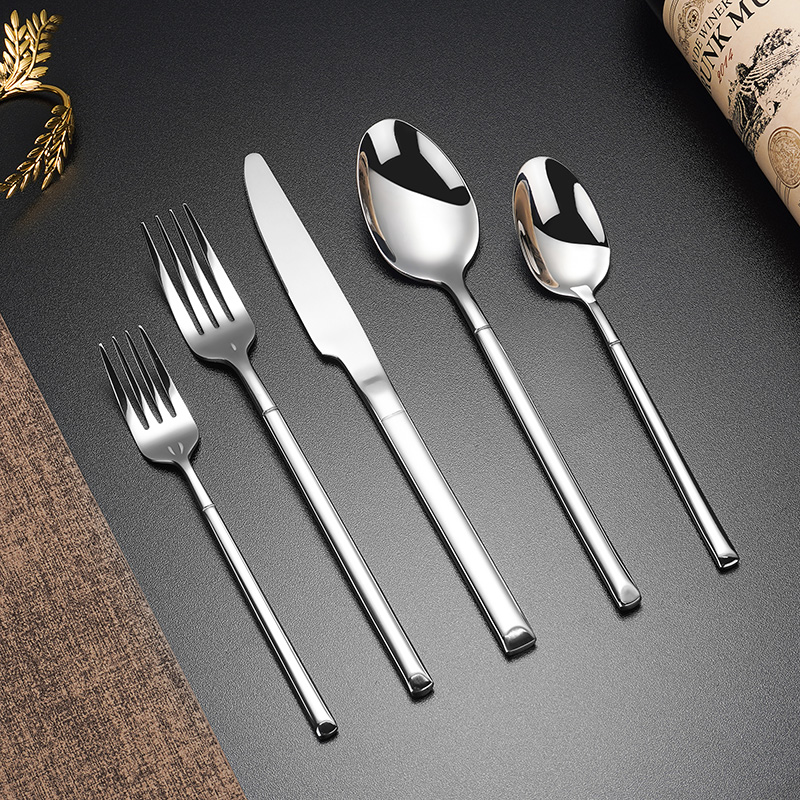
Flatware is a general term for the utensils used for eating and serving food. It typically includes forks, spoons, knives and other dining utensils.
The term describes the type of product rather than the material it is made from. Flatware can be manufactured from several materials, including:
- Stainless Steel: A widely used choice for everyday dining, restaurants, hotels and commercial foodservice.
- Silver: Traditional flatware made from solid silver, often associated with formal dining and collectible tableware.
- Silver-Plated Metal: A base metal covered with a thin layer of silver, offering a silver appearance without being made entirely of silver.
- Other Materials: Depending on the product and market, flatware may also be made from materials such as plastic, wood or other metals.
Today, stainless steel flatware is particularly common because it offers a practical balance of durability, appearance, maintenance and cost. It is available in a wide range of designs, finishes and price levels, making it suitable for both household and commercial use.
2. What Is Silverware?
Silverware traditionally refers to dining utensils made from silver or silver-plated metal.
The word comes from the historical use of silver for spoons, forks and knives. Before stainless steel became widely available, silver utensils were valued for their appearance and association with formal dining.
There are two main types:
Sterling Silver
Sterling silver is a silver alloy that typically contains 92.5% silver and 7.5% other metals, usually copper. It is valued for its appearance and material quality, but it requires regular care to prevent tarnishing.
Silver-Plated Silverware
Silver-plated utensils are made from a base metal with a thin layer of silver applied to the surface. They provide a similar visual appearance to solid silver at a generally lower material cost. However, the silver layer can gradually wear away with use and polishing.
In modern American English, some people also use “silverware” casually to refer to everyday eating utensils, including stainless steel forks, spoons and knives. This is common in household conversation, even when the products contain no actual silver.
3. Flatware vs. Silverware: What Are the Main Differences?
The key difference is how the two terms describe a product.
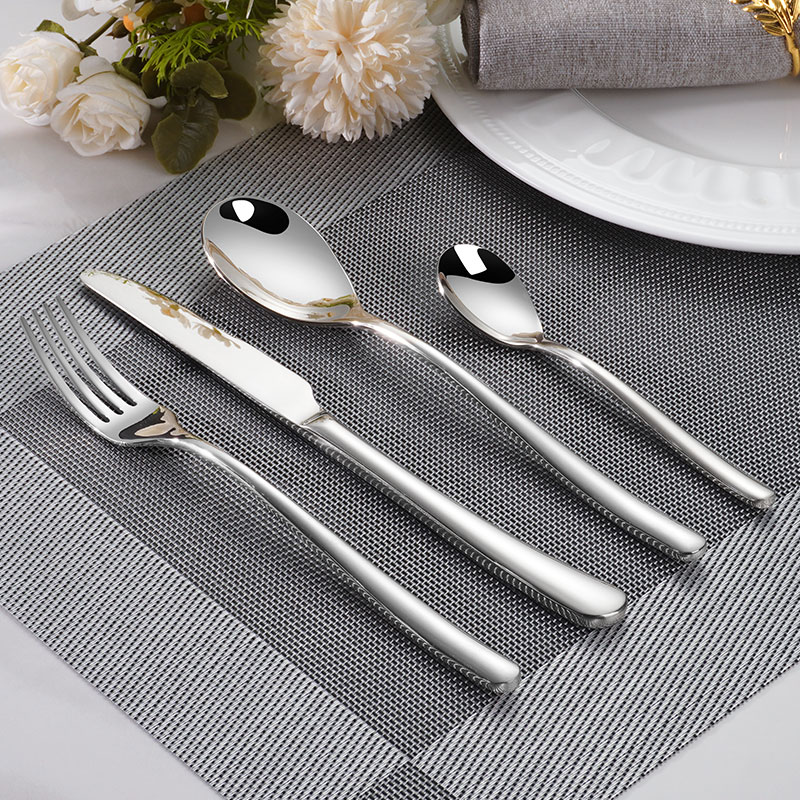
Flatware refers broadly to dining utensils, regardless of their material. Silverware traditionally identifies utensils made from silver or silver-plated metal, although everyday usage can be broader.
Here is a simple comparison:
| Feature | Flatware | Silverware |
|---|---|---|
| Meaning | General term for dining utensils | Traditionally refers to silver or silver-plated utensils |
| Materials | Stainless steel, silver, silver-plated metal and others | Solid silver or silver-plated metal |
| Common products | Forks, spoons, knives | Silver forks, spoons and knives |
| Typical use | Homes, restaurants, hotels and foodservice | Formal dining, traditional table settings and collections |
| Maintenance | Depends on the material and finish | Often requires additional care to prevent tarnishing |
In short, silverware can be considered a type of flatware in its traditional meaning, but not all flatware is silverware.
4. Why Is Stainless Steel Flatware So Popular?
For most modern dining environments, stainless steel has become a practical alternative to traditional silver.
One important reason is its corrosion resistance. Chromium in stainless steel helps form a protective surface layer, while nickel in certain grades can further improve corrosion resistance and contribute to the material’s appearance.
Different stainless steel grades offer different characteristics. For example:
- 18/10 Stainless Steel: Contains approximately 18% chromium and 10% nickel. It is commonly used for premium flatware.
- 18/8 Stainless Steel: Contains approximately 18% chromium and 8% nickel, offering a good balance of performance and cost.
- 18/0 Stainless Steel: Contains approximately 18% chromium and little or no nickel. It can be a suitable option for cost-conscious products, depending on the intended application and quality requirements.
The right choice depends on the product design, target market, expected frequency of use and purchasing budget. A higher nickel percentage does not automatically make a product the best choice for every application.
Stainless steel also supports different surface treatments, including mirror polish, satin finish, matte finish and colored PVD finishes. These options allow brands to develop collections with different styles and market positioning.
5. Which Term Should Buyers Use When Sourcing Dining Utensils?
For B2B sourcing, using the correct product terminology makes communication with manufacturers and suppliers more efficient.
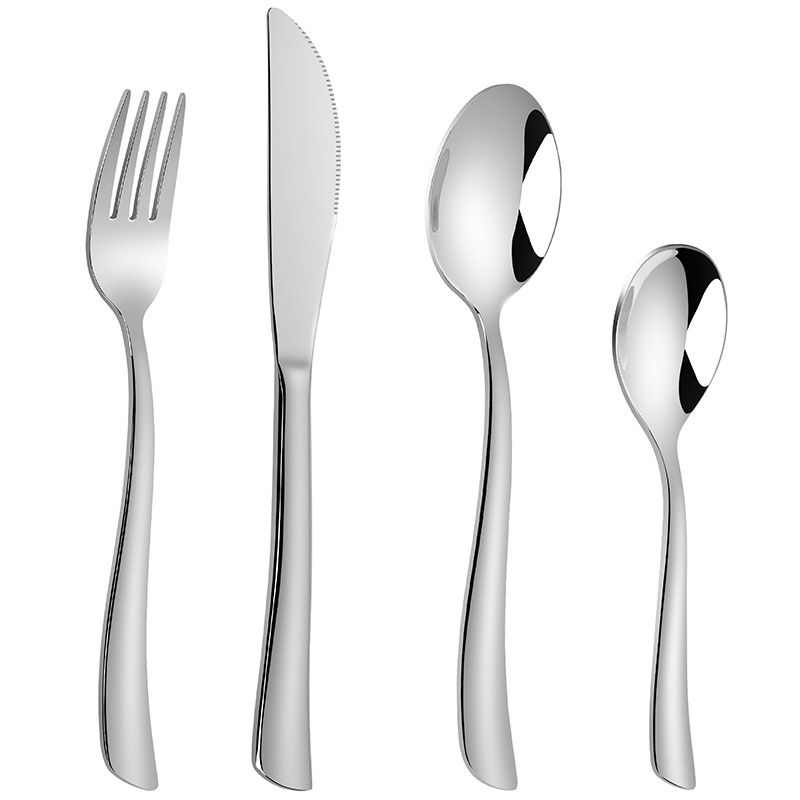
If you are sourcing stainless steel forks, spoons, knives or complete dining sets, flatware or stainless steel flatware is generally the more accurate term.
If your products are made from solid silver or silver-plated metal, silverware is more appropriate.
It is also worth being specific in product descriptions and purchase specifications. Instead of simply requesting “silverware,” buyers should identify the material, grade, product dimensions, thickness, weight, surface finish, design and packaging requirements.
Clear specifications help reduce misunderstandings during quotation, sampling and mass production.
6. Finding the Right Flatware for Your Market
Choosing flatware is about more than deciding between different materials. Buyers also need to consider product appearance, durability, manufacturing consistency and the expectations of their customers.
A restaurant supplier may prioritize durability and ease of maintenance, while a retail brand may focus more on design, packaging and product differentiation. Hospitality projects may require coordinated sets that match a particular dining environment.
At QZQ, we have specialized in stainless steel cutlery and kitchenware manufacturing since 1989. We work with customers on Flatware Sets, product designs, material selection, surface finishes and OEM/ODM customization.
Whether you are developing a new collection or sourcing existing flatware designs, understanding the material and product requirements is a useful first step toward making the right purchasing decision.
Have a flatware sourcing or customization project in mind? Contact QZQ to discuss your requirements.