Choosing a stainless steel flatware set is not simply about finding a design that looks attractive. For importers, distributors, retailers and hospitality buyers, quality affects how the cutlery performs in daily use, how long it maintains its appearance and how customers perceive the product.
Two flatware sets may look almost identical in product photos but differ considerably in material composition, weight, construction and finishing. So, how can you tell whether flatware is good quality?
The answer starts with the stainless steel itself, but it does not end there. Here are six important factors worth checking before placing an order.
1. Check the Stainless Steel Composition
The type of stainless steel is one of the first things to consider. Most stainless steel flatware is identified by its chromium and nickel content, commonly expressed as 18/10, 18/8 or 18/0.
- 18/10 stainless steel contains approximately 18% chromium and 10% nickel. It offers good corrosion resistance, a bright appearance and strong resistance to everyday wear. It is commonly used for premium flatware.
- 18/8 stainless steel contains approximately 18% chromium and 8% nickel. It provides good corrosion resistance and is a popular choice for everyday tableware.
- 18/0 stainless steel contains approximately 18% chromium and little or no nickel. It is generally more economical and can be suitable for cost-conscious product ranges, although its corrosion resistance may be lower than comparable 18/10 or 18/8 products.
Chromium helps stainless steel resist rust and corrosion by forming a protective surface layer. Nickel improves corrosion resistance and contributes to the steel’s appearance and overall properties.
However, a higher nickel percentage does not automatically make a flatware set better in every situation. The right grade depends on the intended application, target price, product design and expected service conditions.
For B2B buyers, it is important to confirm the actual material specification with the manufacturer rather than relying only on a product description or visual appearance.
2. Pay Attention to Weight and Thickness
Weight is another useful indicator when evaluating stainless steel cutlery. A well-made spoon or fork should feel balanced and comfortable in the hand. It should not feel excessively light or flimsy.
Thickness also matters. If the material is too thin, the handle may bend easily or the product may feel less substantial during use. On the other hand, simply making flatware thicker does not guarantee better quality. Excessive weight can make cutlery uncomfortable and increase production costs.
The key is finding the right balance between material thickness, product weight, structural strength and intended use.
For example, flatware designed for hotels and restaurants may require different specifications from lightweight cutlery intended for casual dining or retail gift sets.
When comparing samples, check the weight of individual pieces and compare products with similar dimensions and designs. This gives buyers a more meaningful basis for evaluation.
3. Examine the Design and Construction
Good-quality flatware should be more than visually appealing. Its shape, proportions and construction should support comfortable everyday use.
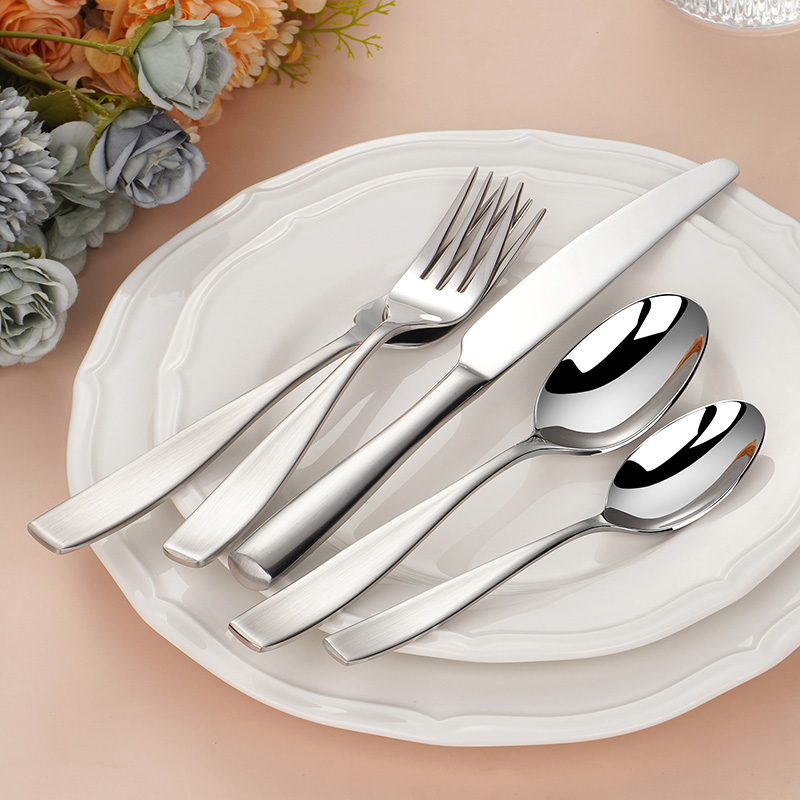
Start with the handle. It should feel balanced, with no sharp edges, uneven surfaces or uncomfortable transitions. The spoon bowl should have a practical depth and smooth edges, while fork tines should be evenly shaped and properly finished. Knife blades should be consistent with their intended function.
Pay attention to the connection between the handle and working end, especially on products with more complex structures or decorative designs.
For a complete flatware set, consistency is equally important. Spoons, forks and knives should share a coordinated design language, finish and level of workmanship.
These details may seem small, but they influence the user’s experience every time the cutlery is picked up.
4. Look Closely at the Surface Finish
Surface finishing has a significant impact on both appearance and maintenance.
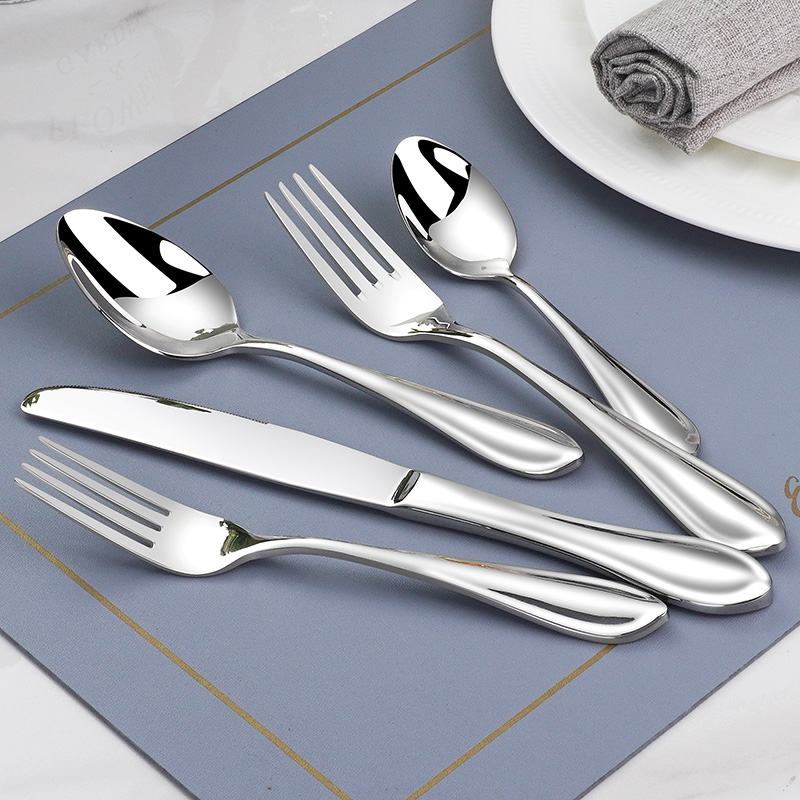
Common stainless steel flatware finishes include:
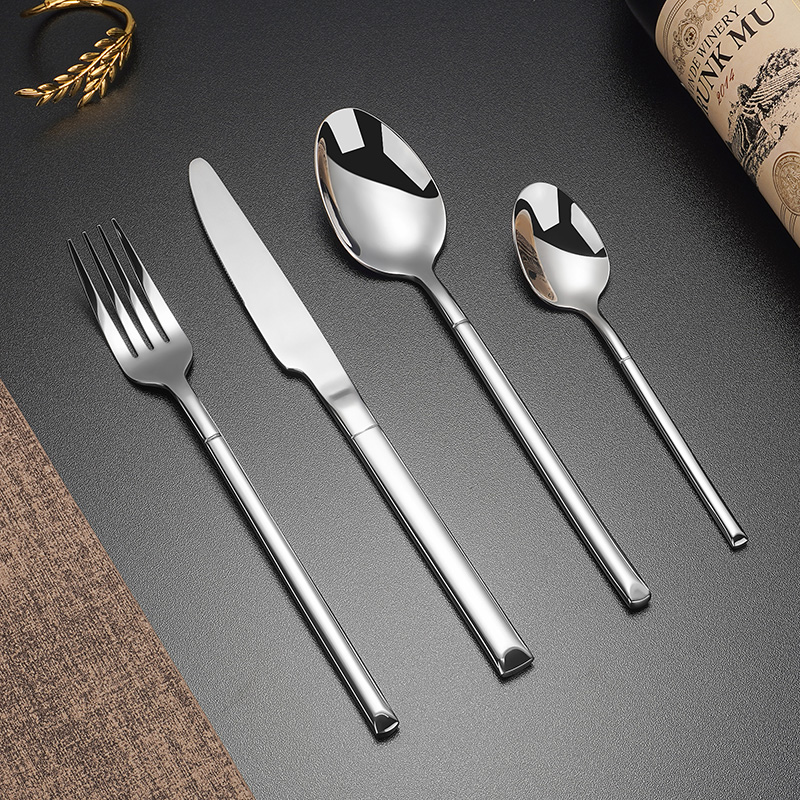
- Mirror Polish: A highly reflective surface that creates a clean, elegant appearance.
- Satin Finish: A softer, less reflective surface with a subtle brushed appearance.
- Matte Finish: A low-gloss appearance often used in contemporary product designs.
- Brushed Finish: Fine directional lines that create a distinctive texture.
Regardless of the finish, the surface should be reasonably even and consistent across the product. Look for visible scratches, polishing marks, discoloration, rough areas or uneven edges.
For colored flatware, such as gold, black or other decorative finishes, buyers should also evaluate coating consistency and durability. The performance of a colored surface depends on the finishing process and how the product is used and maintained.
A good finish should match the product’s intended market while meeting practical expectations for daily use.
5. Check the Edges and Overall Workmanship
The small details often reveal more about manufacturing quality than the overall appearance.
Run your fingers carefully along the handle edges and spoon rims. They should feel smooth, without burrs, sharp points or rough spots. Fork tines should be evenly spaced, and the edges of each piece should be properly finished.
Also check for:
- Uneven polishing or visible surface defects.
- Inconsistent shapes between pieces.
- Warping or bending.
- Scratches and dents.
- Poorly finished corners and edges.
- Differences in color or surface appearance within the same set.
For large wholesale orders, consistency across the entire batch is just as important as the quality of an individual sample. A sample may look excellent, but buyers also need confidence that mass production will maintain the approved specifications.
6. Ask About Quality Control and Testing
A reliable stainless steel flatware manufacturer should be able to explain how product quality is checked during production.
Quality control may include incoming material inspection, dimensional checks, polishing inspection, edge and appearance checks, finished-product inspection and pre-shipment inspection.
Depending on the product and destination market, buyers may also need to consider applicable food-contact requirements and testing. Standards and regulatory requirements vary by market, so it is important to confirm which tests and documents apply to the specific product being purchased.
Do not hesitate to ask a supplier about its inspection procedures, material documentation and available test reports. Clear answers are a useful indication of how professionally a manufacturer manages production.
How to Choose the Right Flatware for Your Business
There is no single stainless steel flatware specification that suits every buyer. A premium retail collection, a restaurant supply program and a cost-effective promotional set may all require different combinations of material, thickness, weight and finish.
Before making a purchasing decision, consider these questions:
- What stainless steel grade is required for the target market?
- What weight and thickness provide the right balance of quality and cost?
- Is the design comfortable and suitable for its intended use?
- Is the surface finish consistent and durable enough for the application?
- Can the manufacturer maintain the same quality throughout mass production?
- Are the required inspections and compliance documents available?
Comparing samples against clear specifications is usually more reliable than choosing based on photographs or price alone.
Work with an Experienced Stainless Steel Flatware Manufacturer
At QZQ, we have been developing and manufacturing stainless steel tableware and kitchenware since 1989. Our product range includes flatware sets, spoons, forks and knives for brands, distributors and professional buyers.
We understand that different markets and applications require different product specifications. From stainless steel selection and product thickness to design, surface finishing, branding and packaging, our team can discuss the details of your project and support suitable OEM and ODM solutions.
Whether you are sourcing an existing cutlery design or developing a new flatware collection, choosing the right specifications is the first step toward a product that meets your market’s expectations.
Have a flatware project in mind? Contact QZQ to discuss your product requirements and explore the right manufacturing solution.